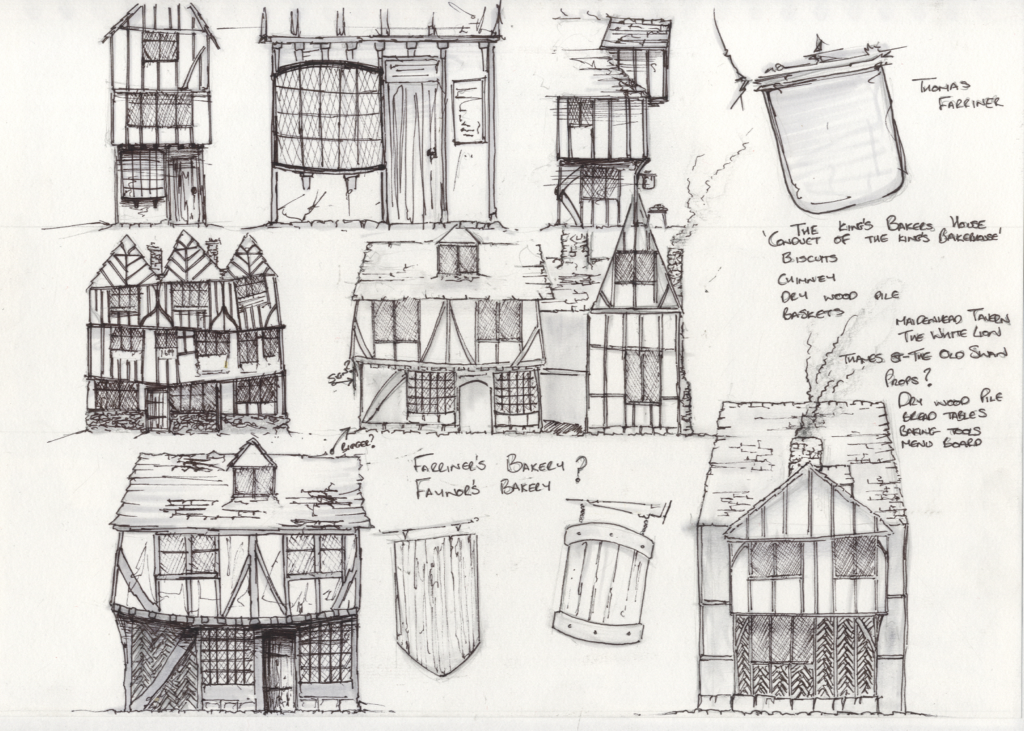
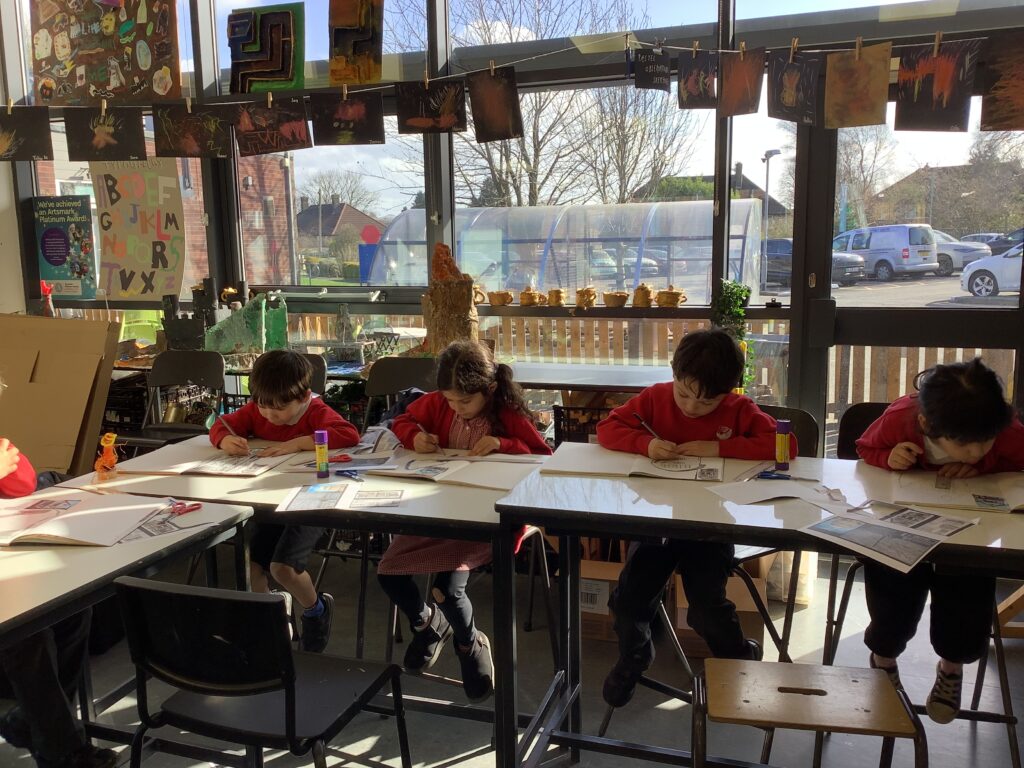
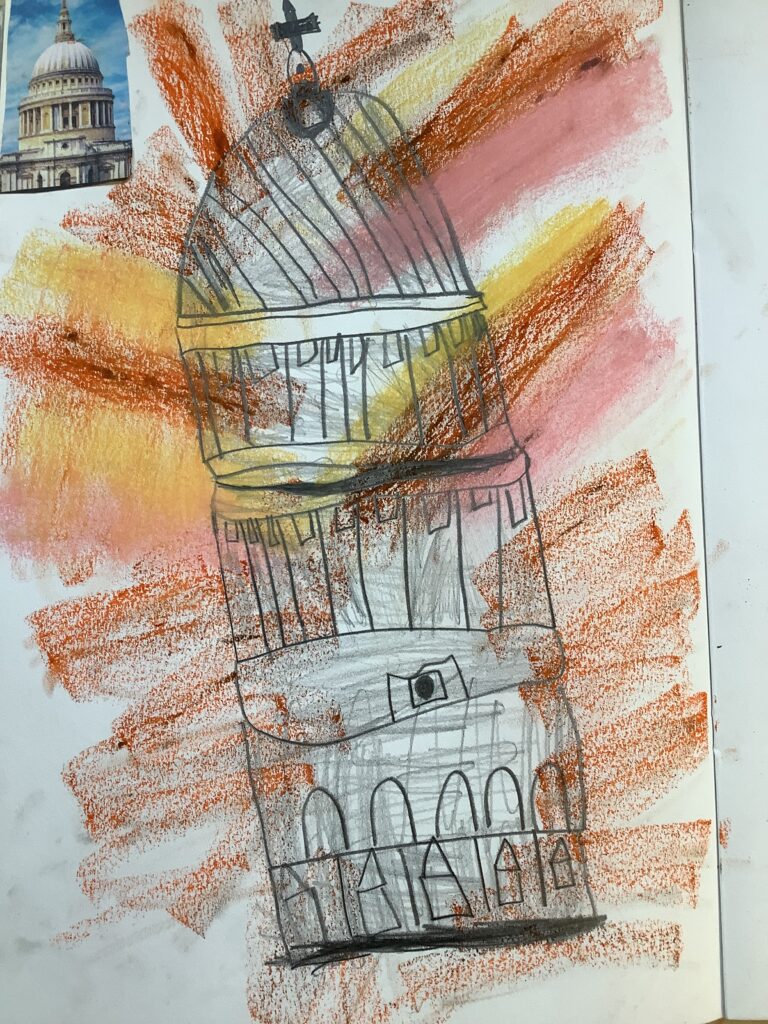
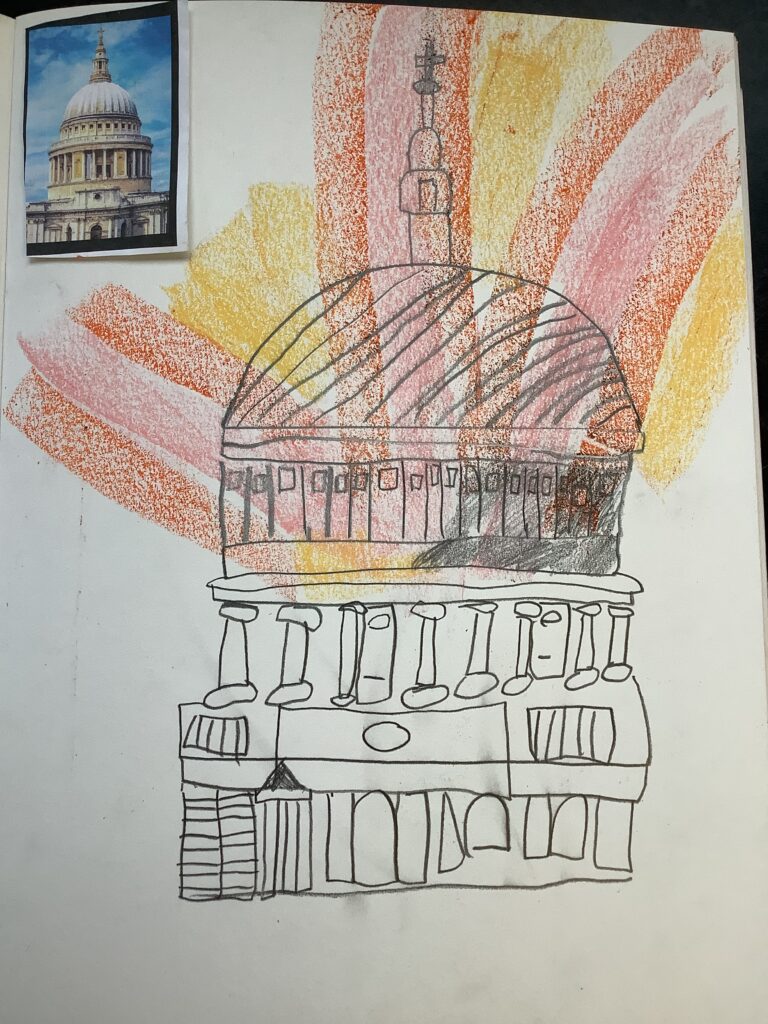
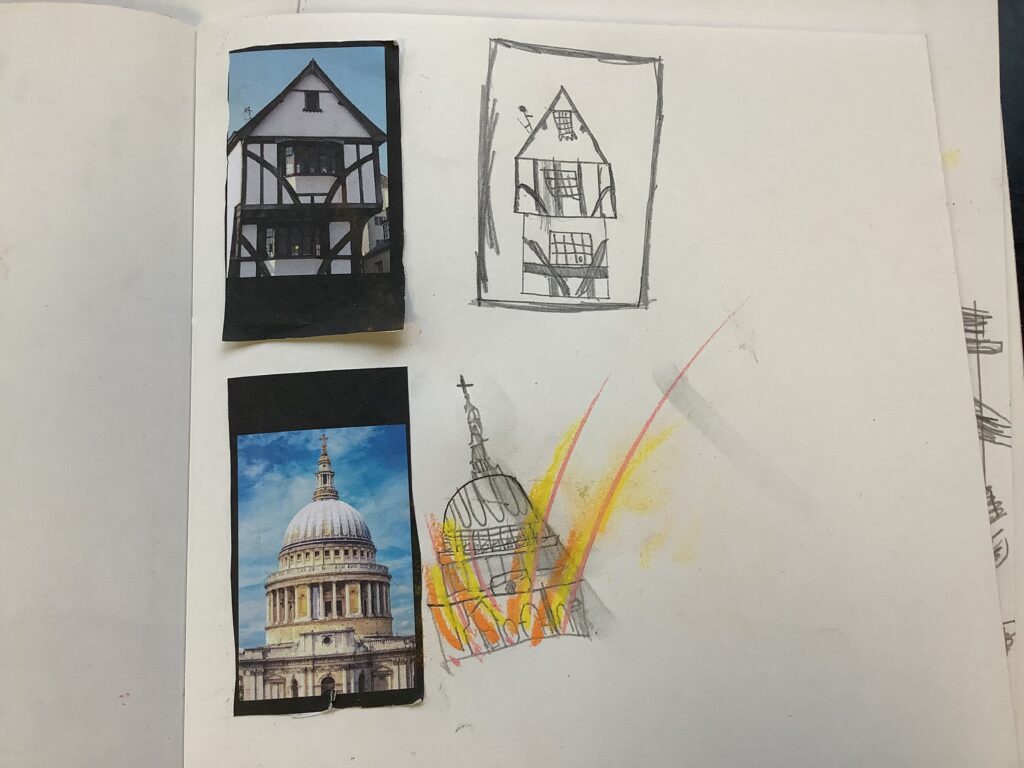
Over their Arts Fortnights, Year 1 immersed themselves in a vibrant and creative Arts Fortnight, and what a fantastic start we had. We began by exploring the history of the Great Fire of London, learning about how the city looked before and after this significant event. The children carefully identified key features of Tudor architecture, noticing the distinctive timber frames and overhanging upper floors. They then had the opportunity to sketch their own Tudor houses, as well as St Paul’s Cathedral, choosing whether to depict them before or after the fire. To bring a sense of drama and storytelling to their work, the children added a touch of peril using oil pastels, experimenting with expressive, gestural movements to capture the energy and danger of the flames. We used graphite pencil, sketching pencil, rulers and pastel.
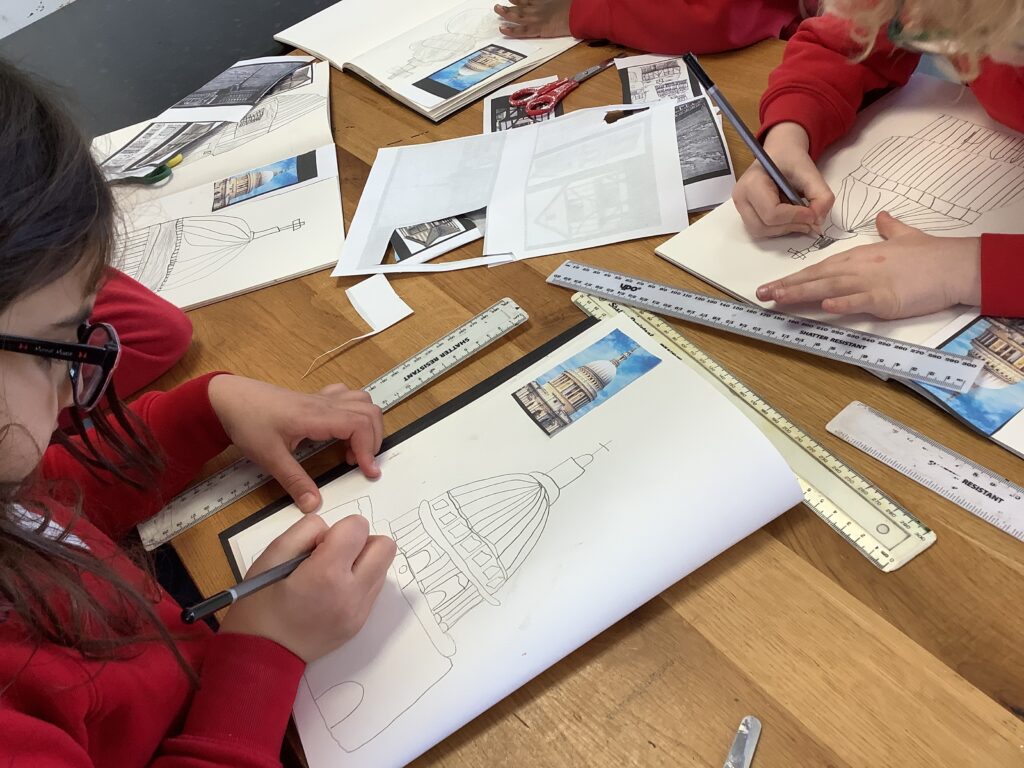
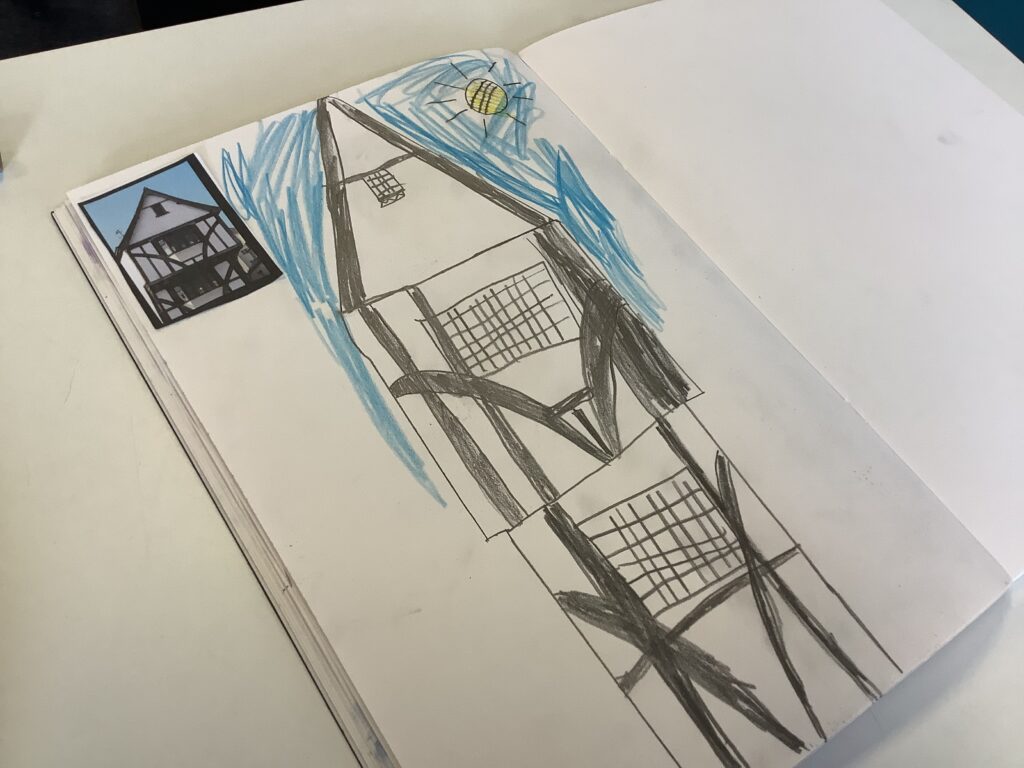
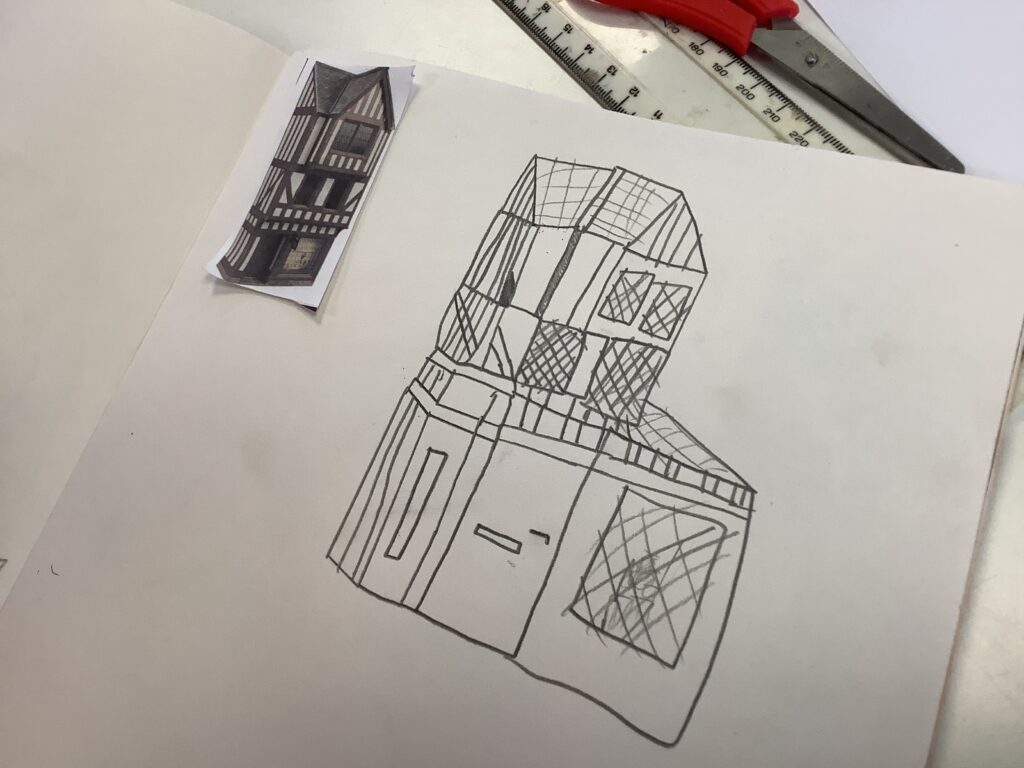
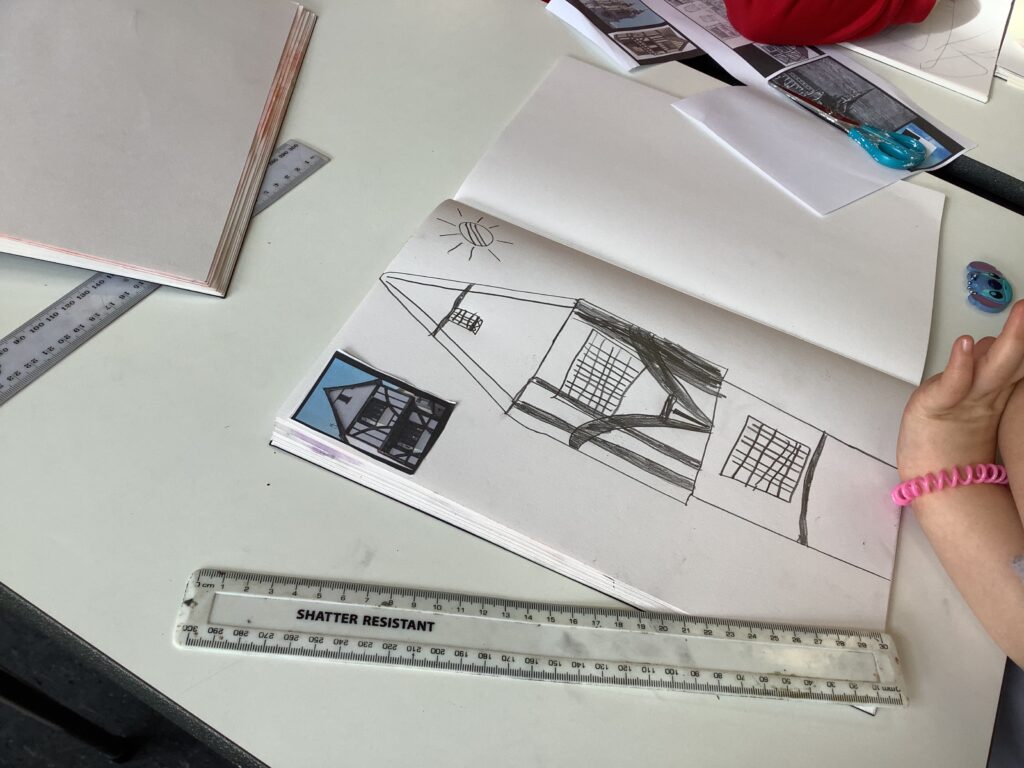
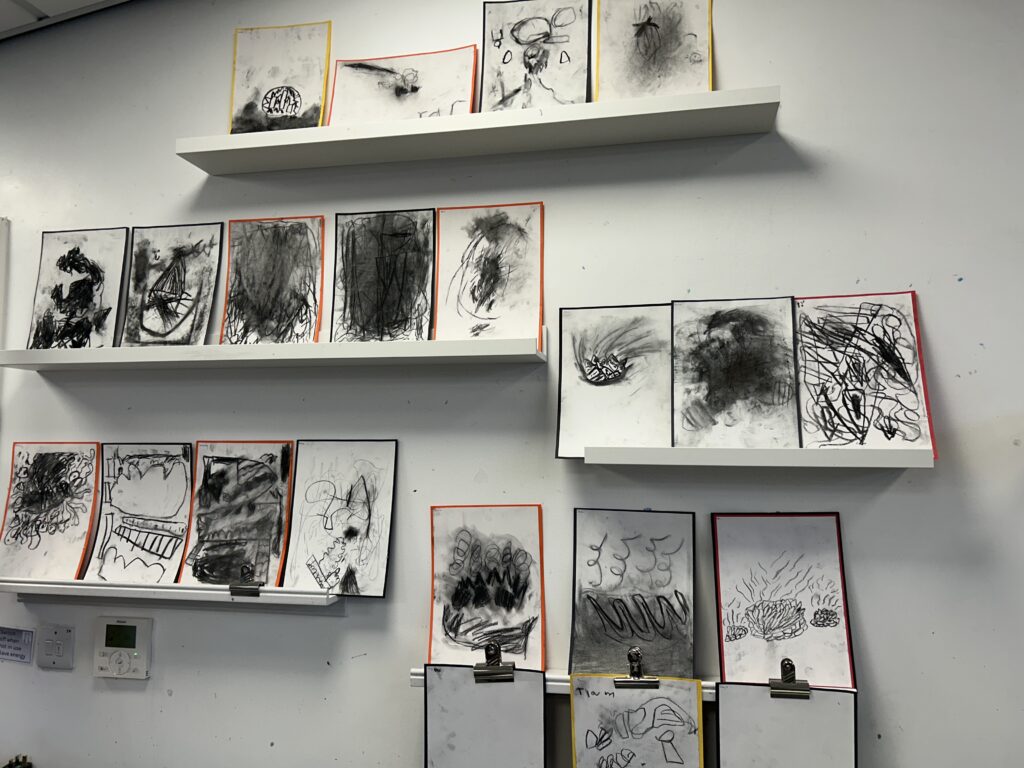
Outside, we also had the opportunity to carry out some observational pastel and charcoal sketches of flames, using the fire pit with the help of Mrs Whittaker! It was really interesting to see how the children smudged and blended to represent the smoke and movement of the flames. I love how some look so abstract and others follow continuous lines through the observational focus.
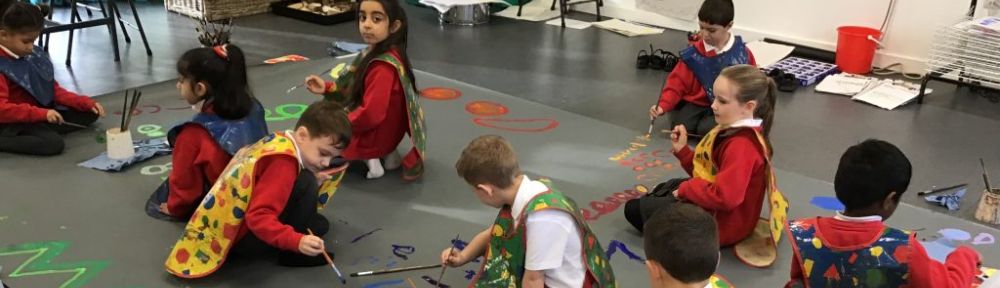
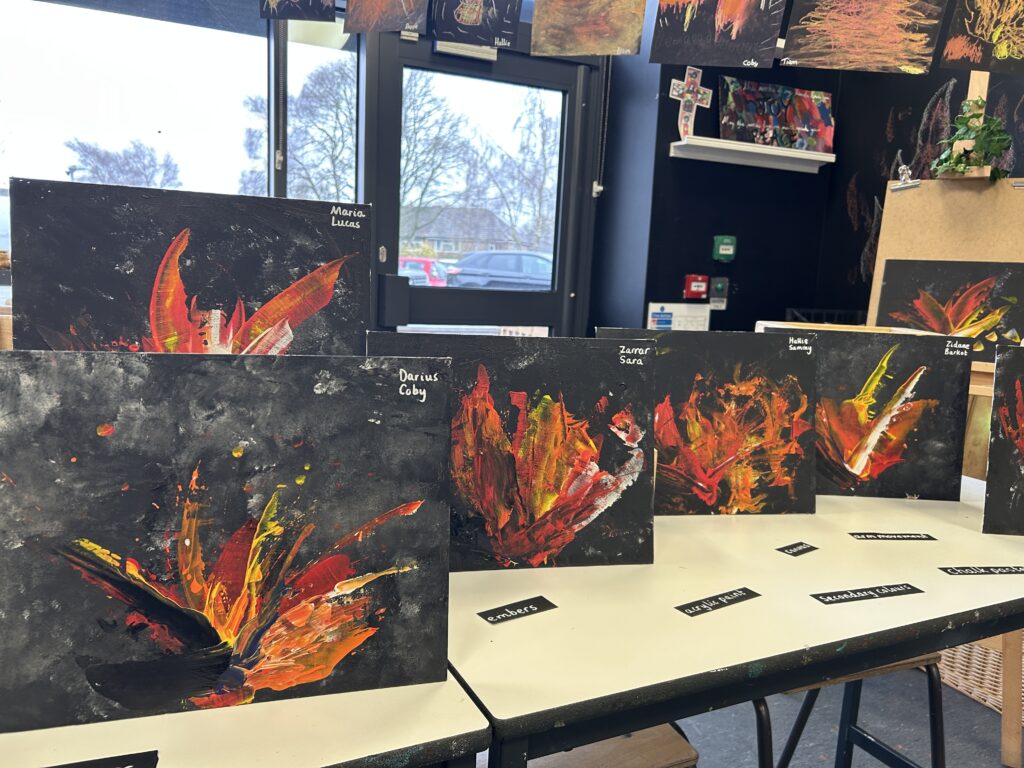
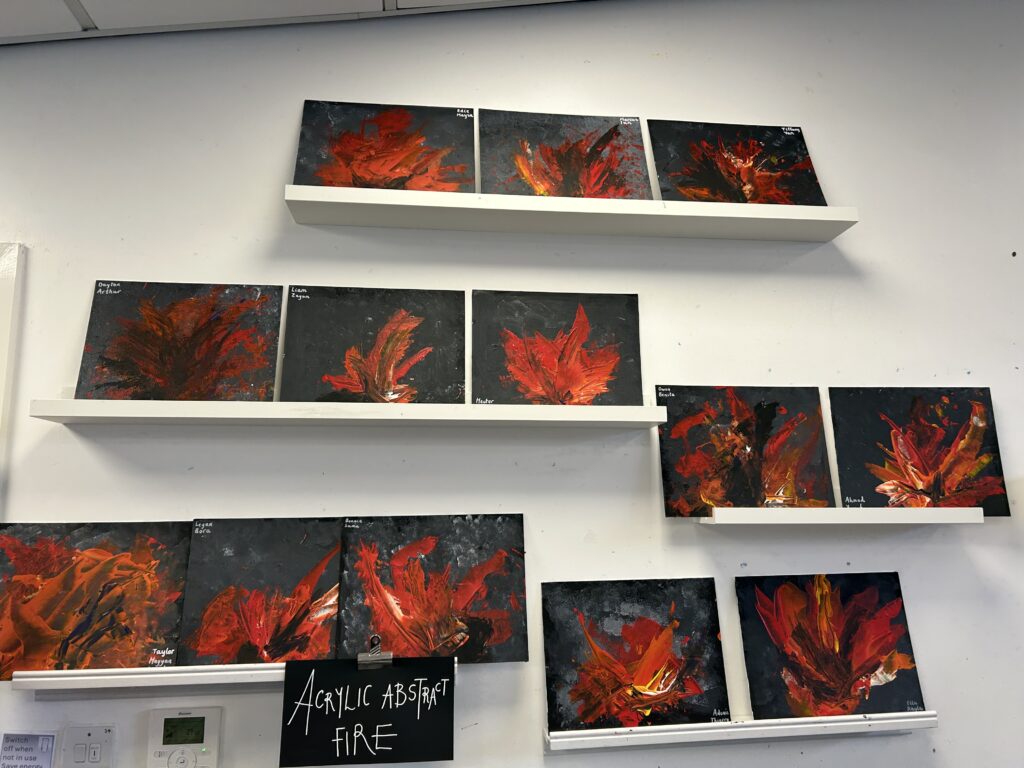
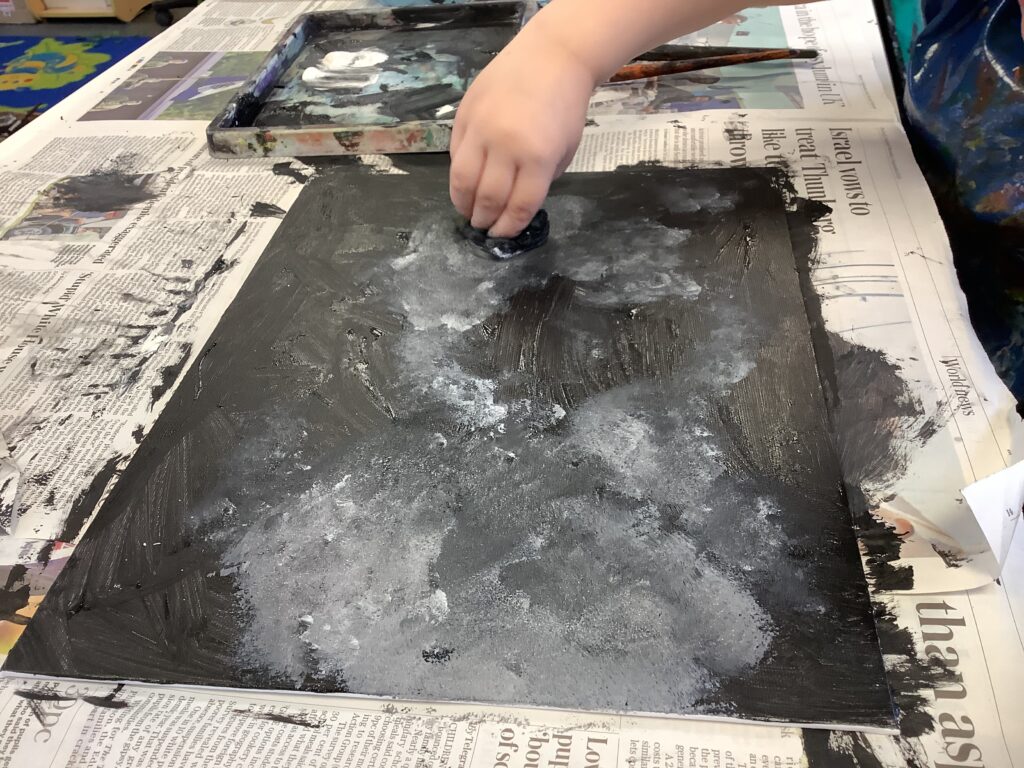
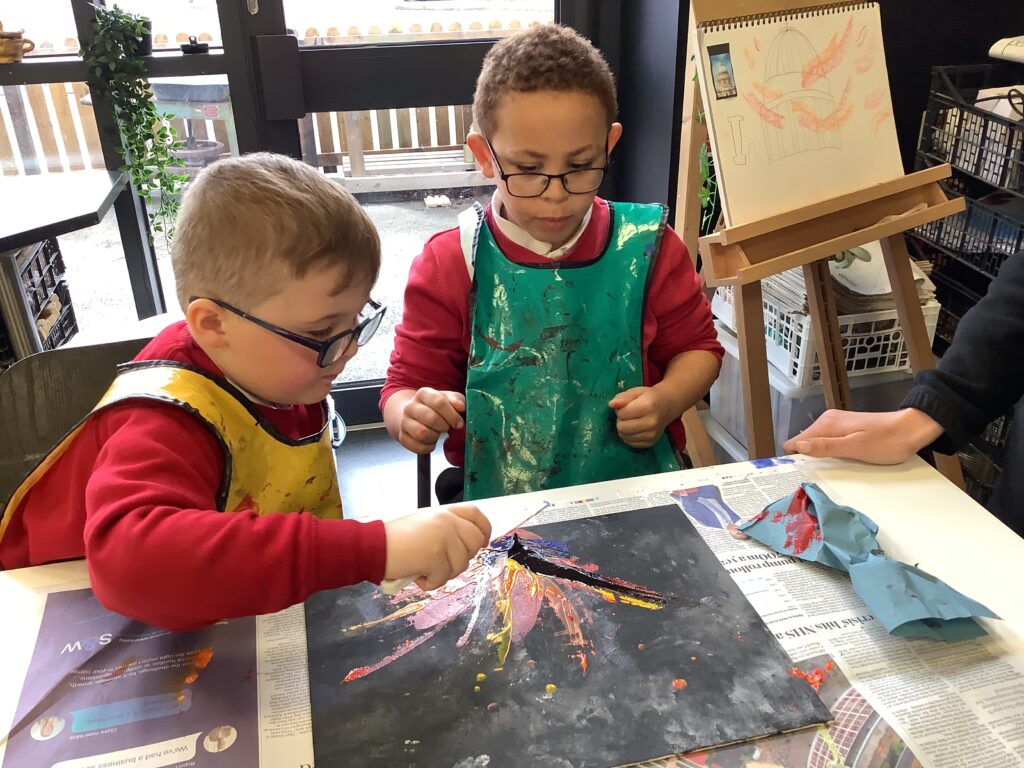
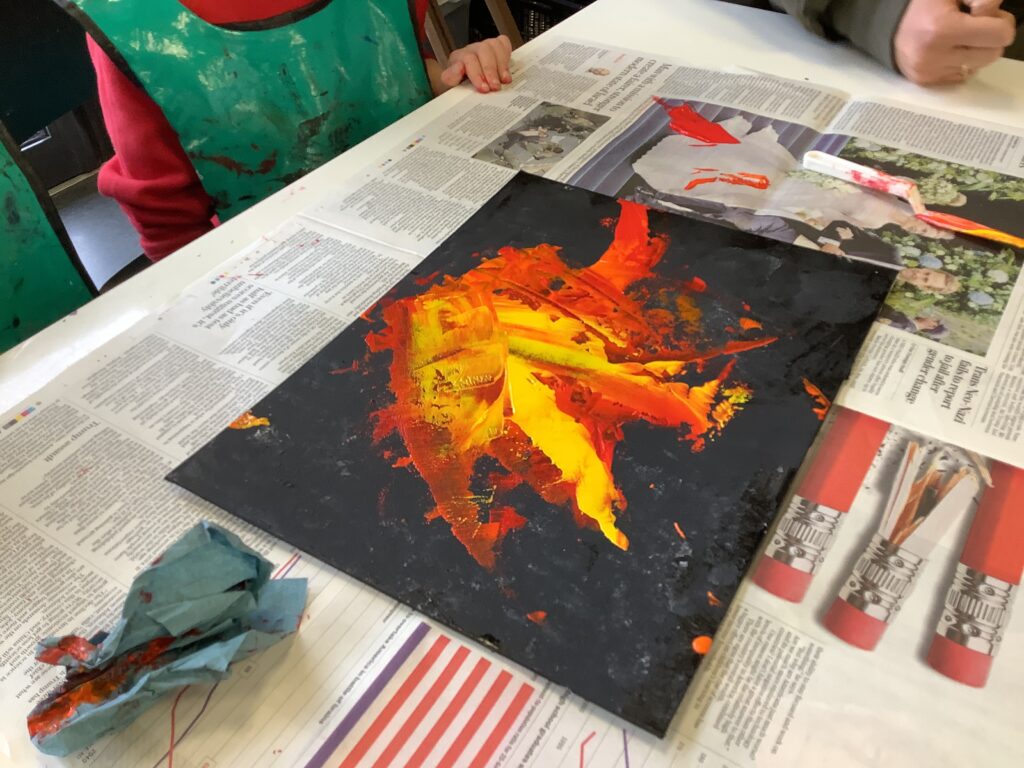
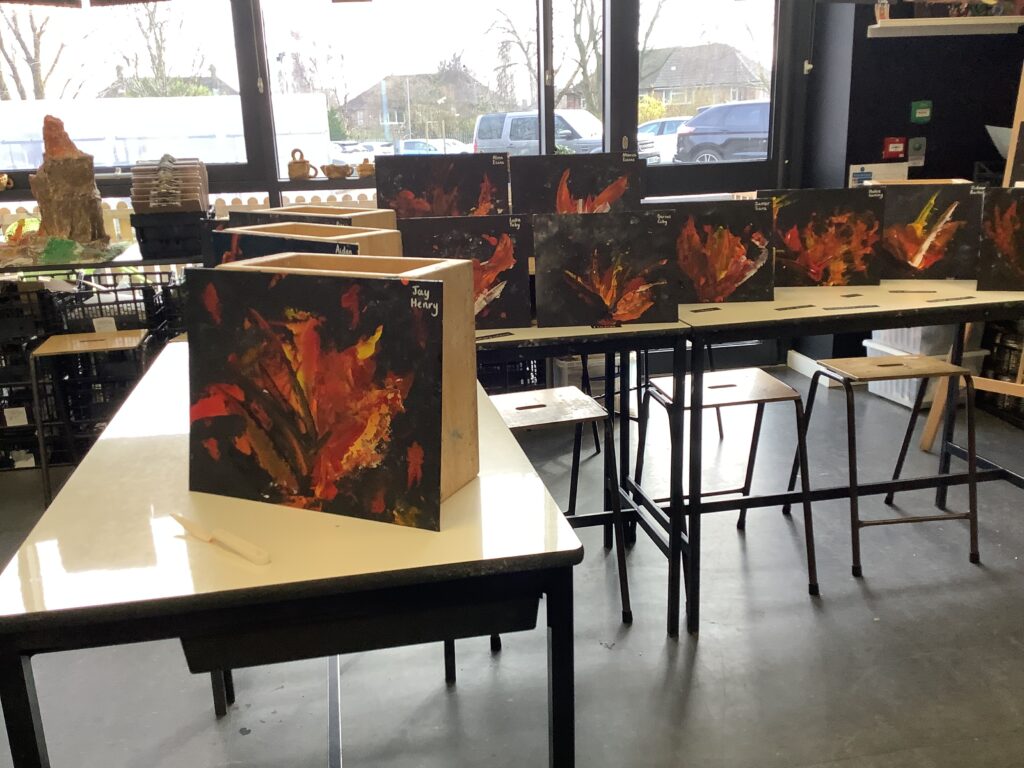
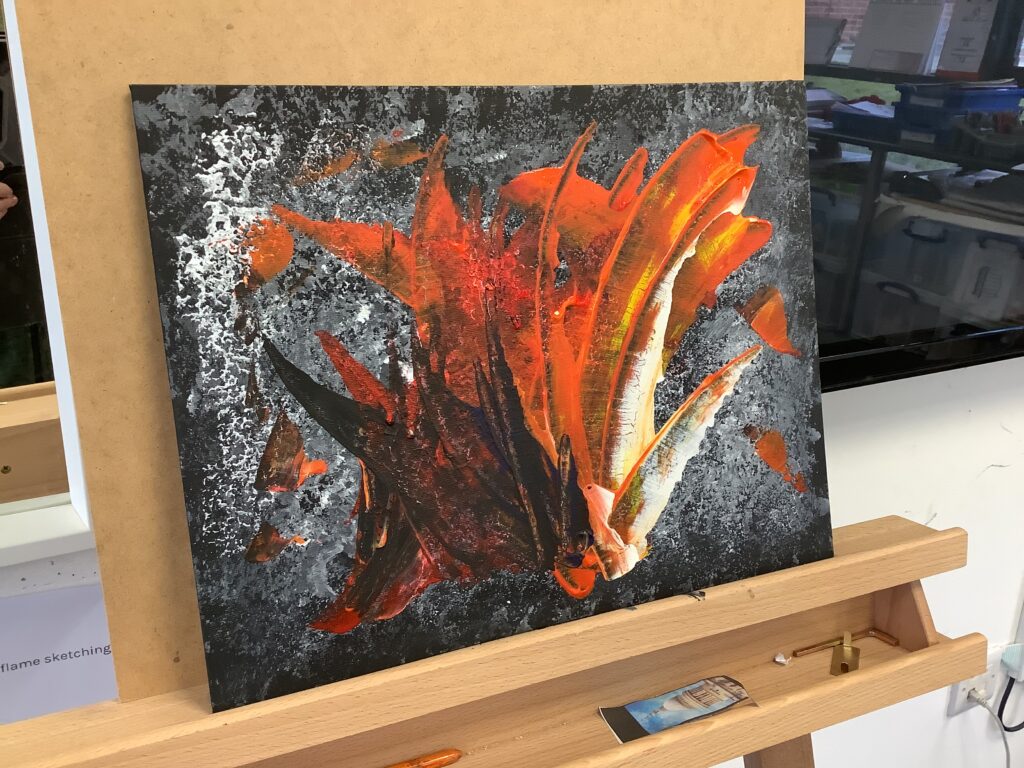
We then moved on to working with canvases to create our own abstract acrylic fire pieces. To begin, the children used blotting techniques and sponges to build a smoky background, working collaboratively and supporting one another brilliantly – our blue relationship orb was well and truly “switched on” all afternoon! It was lovely to see such thoughtful partner work, with children sharing ideas and offering kind compliments to each other at the end of the day. The following session, we introduced palette knives and explored how artists use them to spread and layer paint. We revisited our knowledge of primary and secondary colours and thought carefully about the bold, gestural movements needed to create a wild and intense fire effect. Taking turns, the children swept acrylic paint across their canvases, making decisions about which shades to begin with and how to build up their composition. The results were incredibly striking – so much so that many parents commented they would love to hang the finished pieces at home!
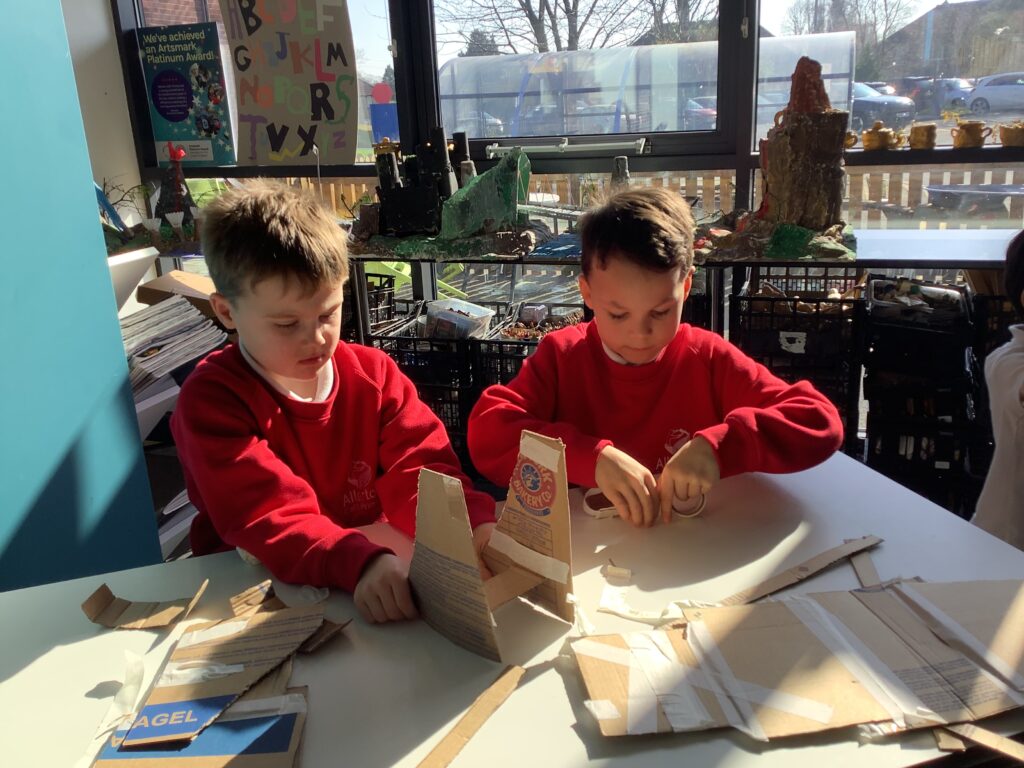
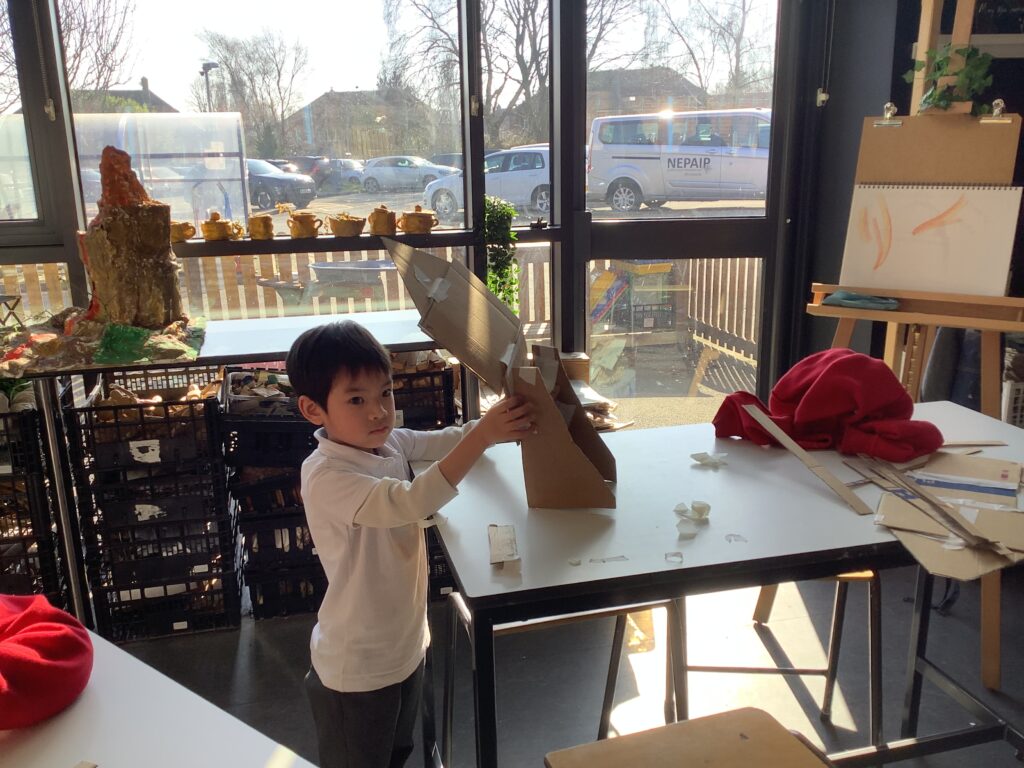
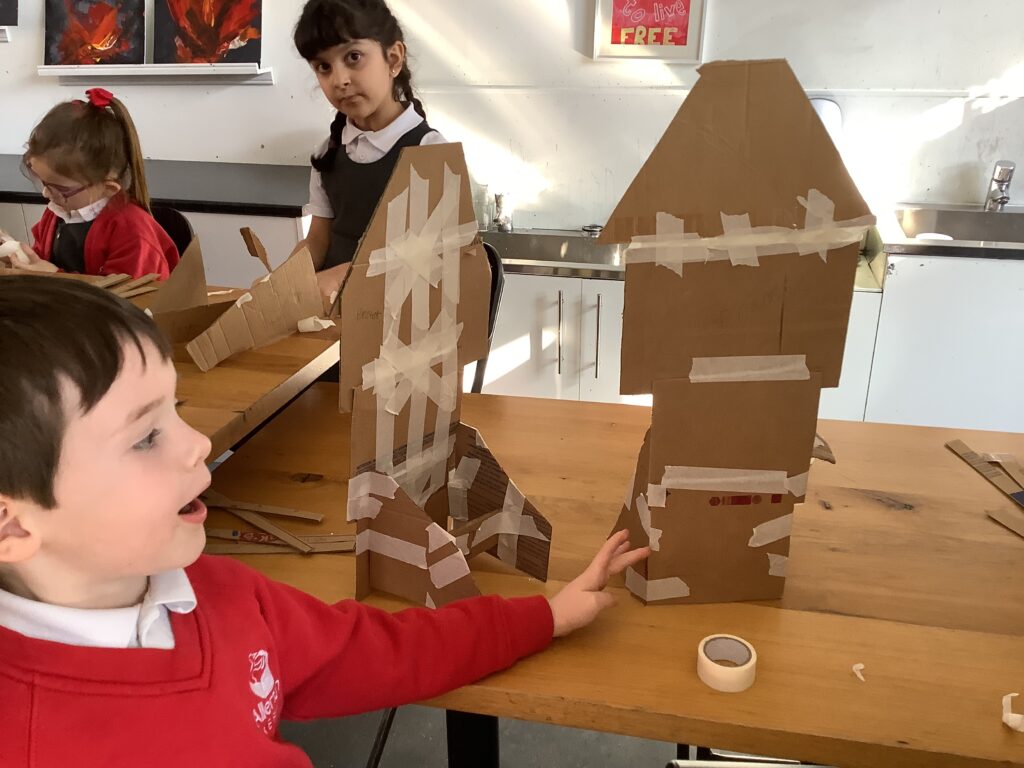
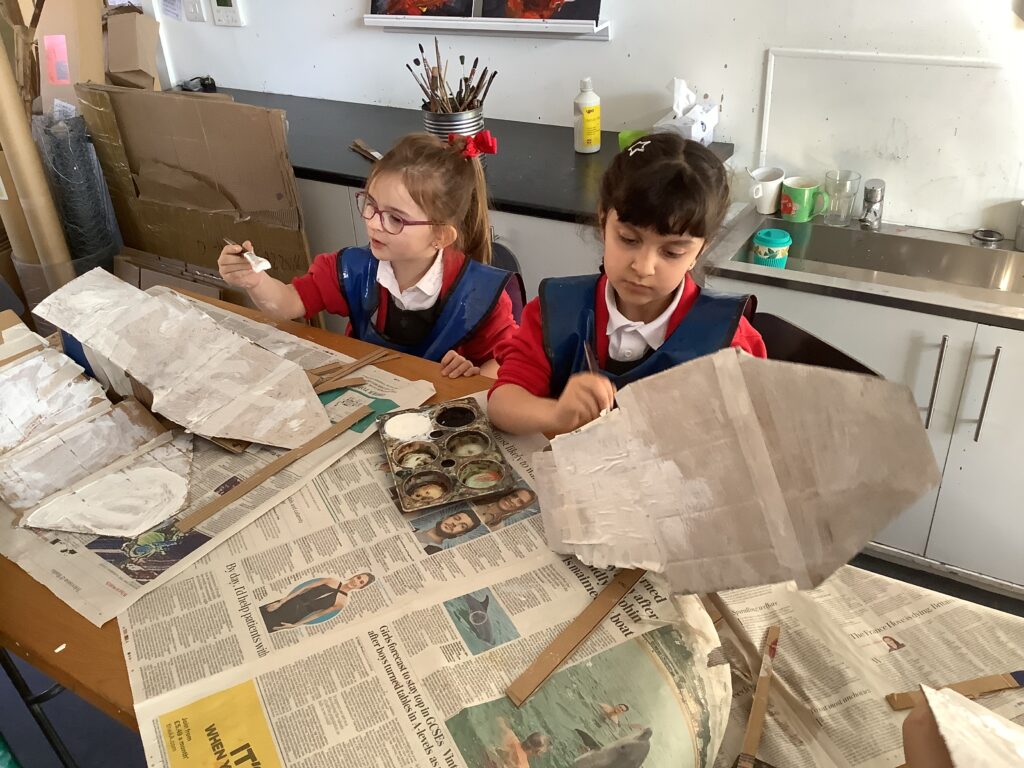
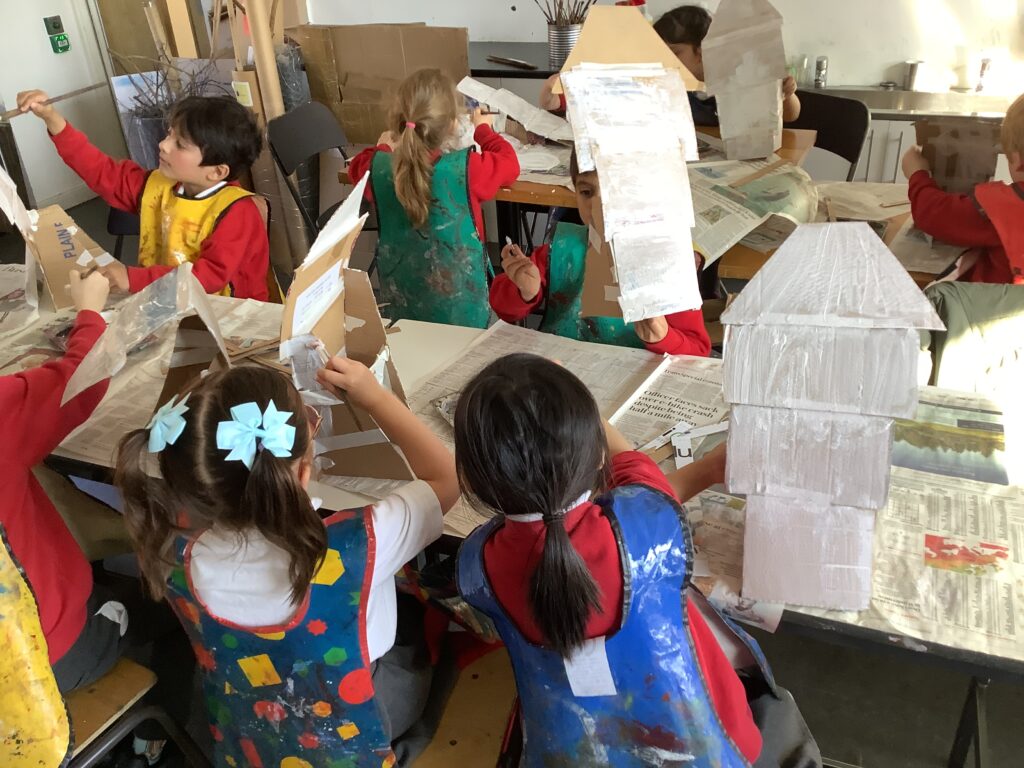
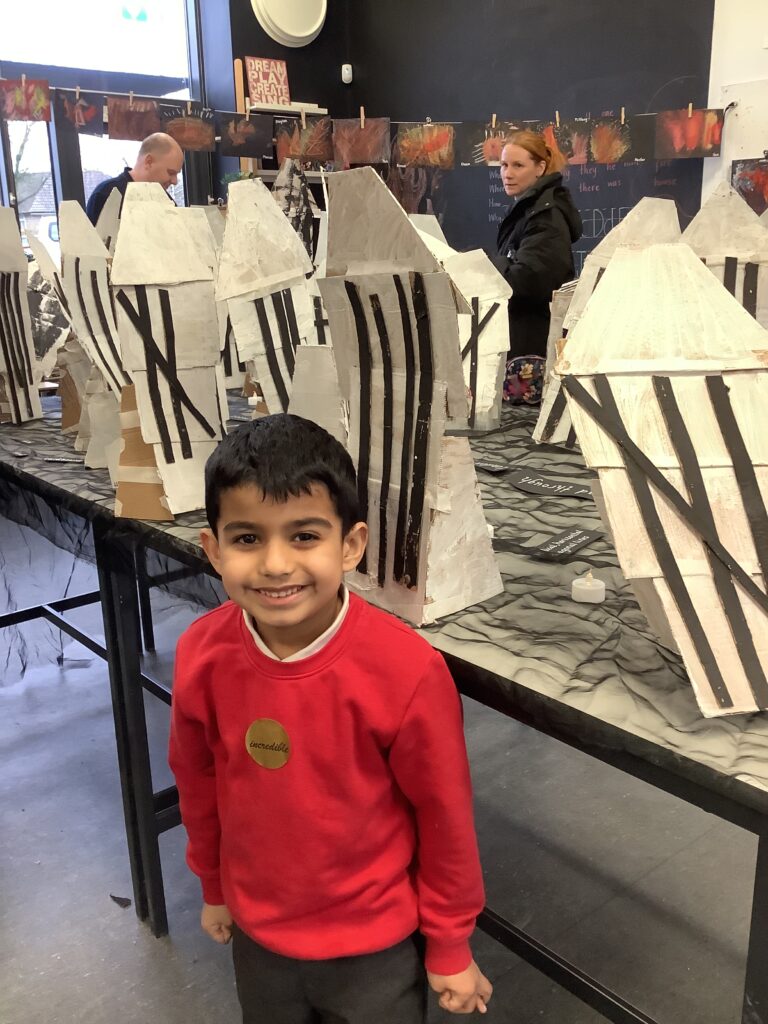
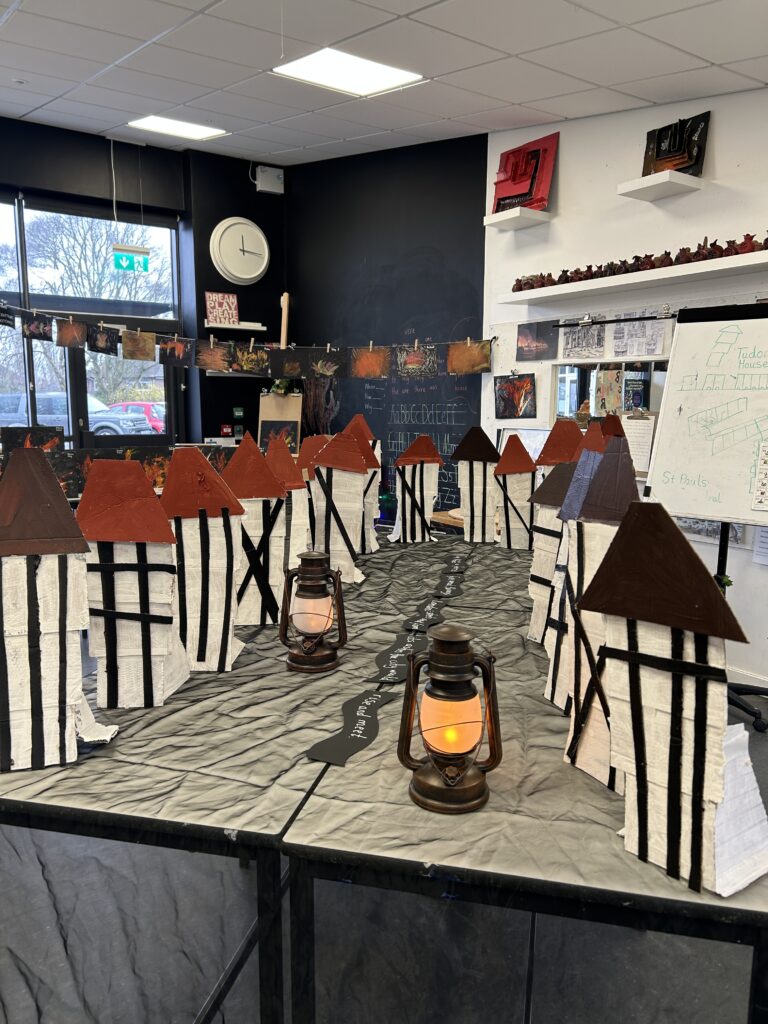
In Week 2, we shifted our focus to the 3D element of our Arts Fortnight. Building on their knowledge of Tudor houses, the children began constructing their own façades, carefully layering overhanging tiers to reflect the distinctive architectural style. One afternoon was dedicated entirely to collaboration, as pairs worked together to design and build freestanding stands to support their houses. This proved to be a real resilience challenge, as we intentionally gave very little guidance to encourage problem-solving and perseverance. It was fantastic to see how well the children rose to this, supporting each other and adapting their ideas when things didn’t quite go to plan.
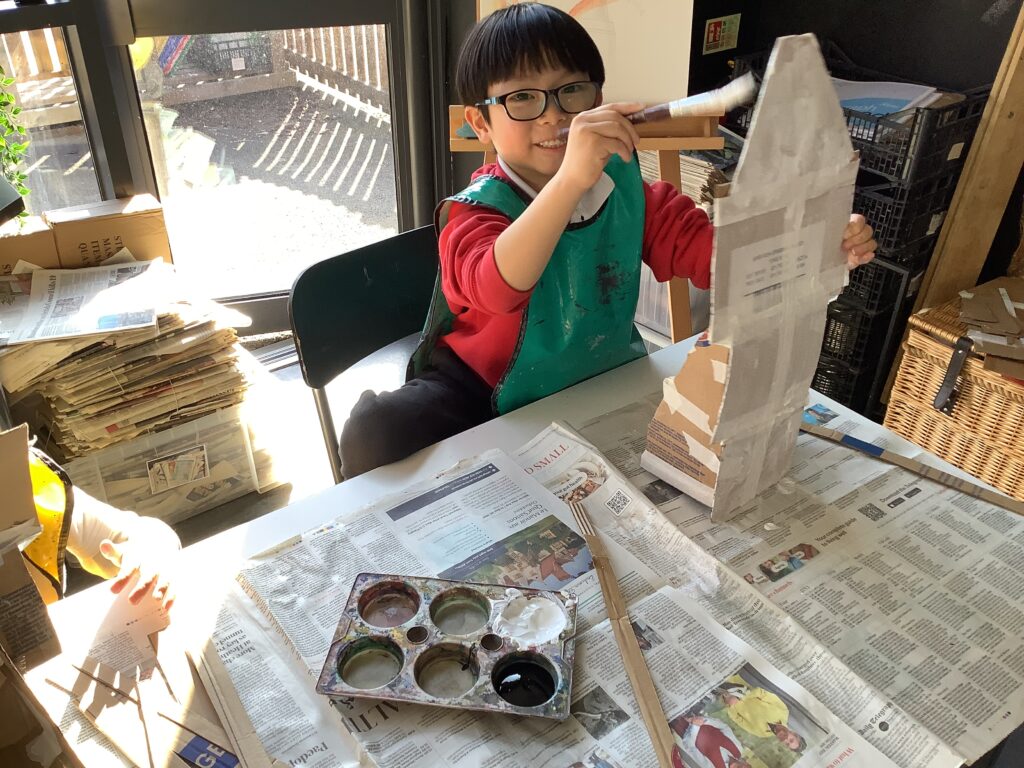
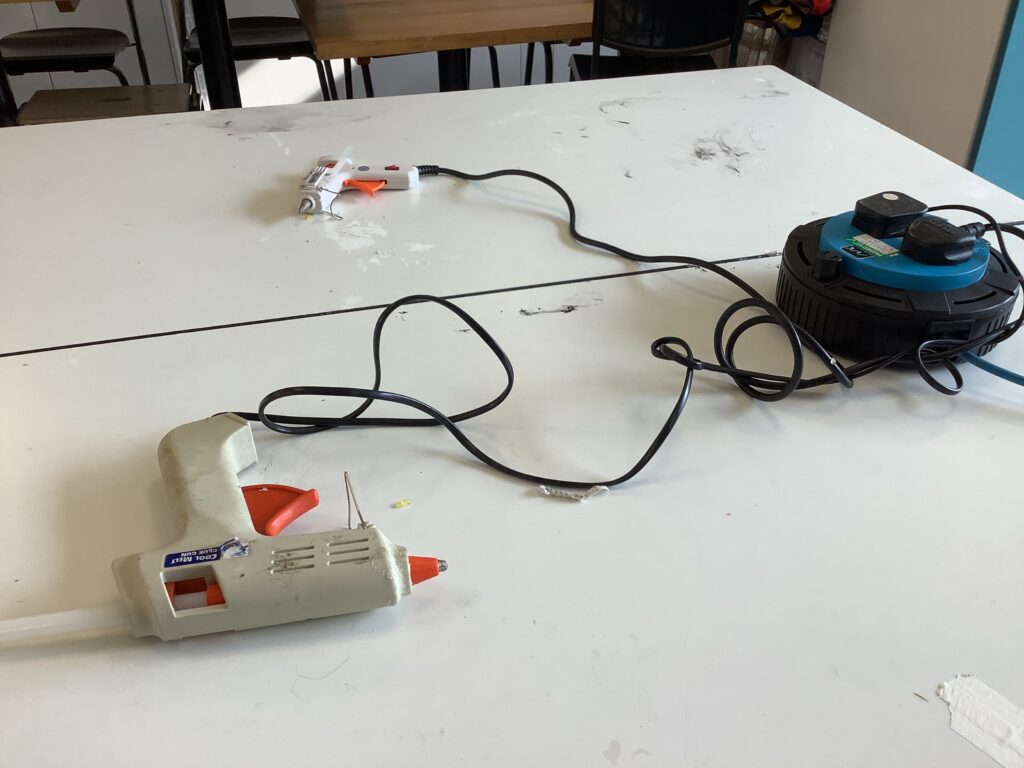
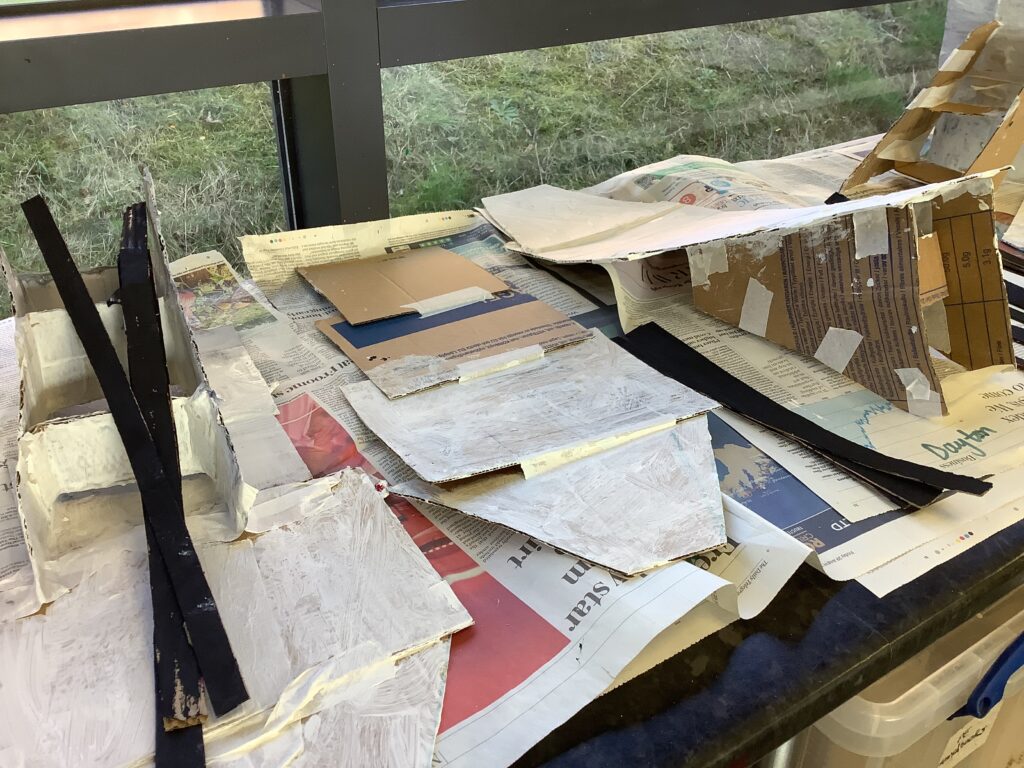
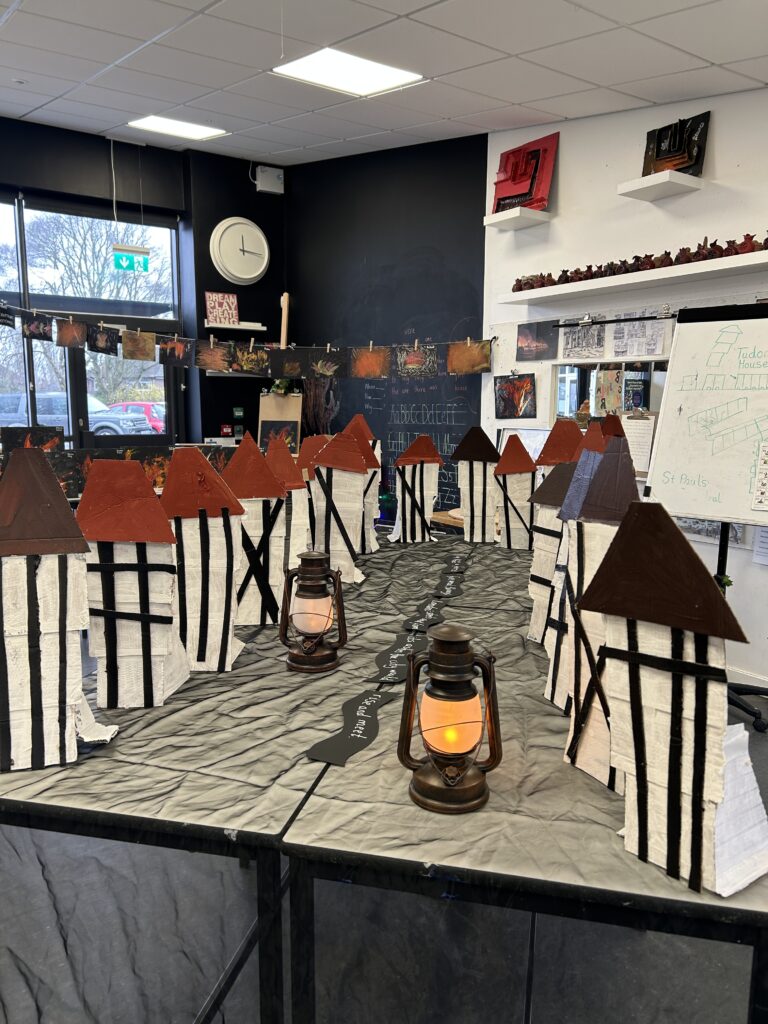
Once the structures were secure and the houses were assembled using masking tape, the children moved on to adding detail. They selected, measured and cut their wooden beams, thoughtfully deciding whether to arrange them horizontally, vertically, or diagonally to best reflect Tudor design. The next step was painting the houses with acrylics, carefully applying colour and waiting patiently for them to dry before using glue guns to attach the timber frames. Finally, we brought all the individual pieces together to create a collaborative exhibition of Pudding Lane. The finished result was fantastic; it was a wonderful testament to the children’s creativity, teamwork and resilience throughout the fortnight.